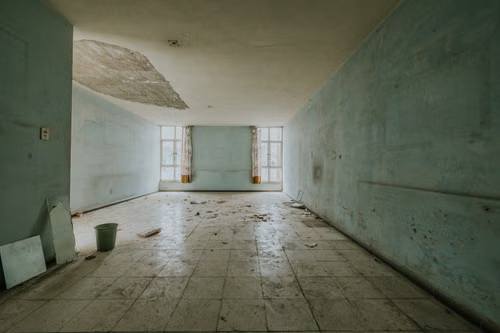
The cleaner finds it on turnover day. A supply line let go behind the washer sometime after Sunday checkout, the hallway carpet squishes underfoot, and the next guests land Friday afternoon with a paid reservation and zero interest in your plumbing. A flooded vacation rental is a different animal from a flooded family home, because the clock on the wall is a booking calendar. Emergency water damage cleanup in a short-term rental has to answer two questions at once: how do you dry the property correctly, and what do you do about the people scheduled to sleep in it?
Here is the trap most hosts fall into. The calendar pressure pushes them to rush, so they mop, run a box fan overnight, and hand over the keys on Friday as planned. Proper emergency water damage cleanup exists because that shortcut fails quietly. The EPA advises drying water-damaged materials within 24 to 48 hours to prevent mold, and a floor that feels dry on Thursday can still be soaked underneath where no guest can see it, at least not at first.
Hosts deal with this more than they admit, and the ones who come through it with their ratings intact tend to make the same five decisions in the same order. Crews from Restoration Logistics Lafayette work these turnarounds in neighborhoods from Waneka Lake to Coal Creek, and the pattern below reflects how the smooth ones go.
Decision One: Block the Calendar Before You Touch the Water
Do this first, before the shop vac, before the photos, maybe even before you finish the phone call with your cleaner. Open the listing and block every date you could need, then release days later if drying finishes early. Canceling on a guest stings. A guest arriving to a damp unit stings for years, because their review mentioning a musty smell or wet carpet sits on your listing permanently and greets every future booker.
Refunding one reservation costs one reservation. A mold complaint in writing can cost the listing itself.
Decision Two: Towels and a Box Fan or Real Emergency Water Damage Cleanup
Let’s be honest about this one. A visible puddle is maybe a third of the problem in a rental. Water wicks under vinyl plank, into carpet pad, up the bottom edge of drywall, and into the base of cabinets, and none of that dries from a household fan blowing across the surface. The EPA also notes that porous materials like carpet and pad may need to go entirely once they stay wet, which is not a judgment call a moisture-blind host can make.
Professional cleanup means metered moisture readings, extraction, structural drying equipment, and a defined finish line. In a property where strangers sleep, eat, and breathe the air, guessing is the expensive option.
Decision Three: What the Waiting Guests Actually Hear from You
Tell the next guests early and plainly, and give them the choice to rebook or cancel with a full refund. Hosts sometimes hide the reason behind vague “maintenance issues,” and guests can smell the evasion as clearly as the damp. Each booking platform runs its own cancellation and disruption rules, so read yours before you write a word, and keep the message short and factual.
One angle worth remembering. A guest who gets a fast, honest cancellation often books the same property later. A guest who gets surprised on arrival never does.
Decision Four: Which Insurance Gets the Call, and What You Send Them
A short-term rental is a business use of the property, and a standard homeowner policy may treat it differently than an owner-occupied loss. Some hosts carry landlord or STR-specific coverage, and platform host-protection programs come with their own limits and exclusions. Confirm what applies to you with your insurer directly, because guessing here costs real money.
What helps every version of the claim is the same: dated photos before work starts, the cause documented, moisture readings, and a written drying log. A cleanup company that prepares insurer-ready documentation hands you that file. Lost bookings are worth recording too, since some business policies consider lost income, though whether yours does is a question only your policy can answer.
Decision Five: Set the Reopening Standard Higher Than “Looks Fine”
The finish line is not a dry-looking floor. It is moisture readings back to normal levels, no odor in the unit, and every affected material either dried or replaced. Smell matters more in a rental than anywhere else, because a guest walking in does exactly one sniff test before deciding what kind of stay this will be. Deodorization and sanitation belong in the scope, not as an afterthought.
Walk the unit yourself the way a picky guest would. Open the closets. Kneel on the carpet. If anything smells off, the job is not done, whatever the calendar says.
A Host’s First-Hour List for Water Damage
Next steps, in order:
- Shut off the water at the source or the main, and kill power to wet areas if it is safe.
- Block the calendar immediately and pause instant booking.
- Photograph everything before anything gets moved.
- Call for professional cleanup and ask about same-day response.
- Message upcoming guests with honest options.
- Notify your insurer and start a folder for every document.
Print it, or save it in your phone with the cleaner’s checklist. Emergencies never wait for a convenient gap in bookings.
A flooded rental threatens two things at once: the building and the little business running inside it. Protecting the first takes drying done to a measured standard within that 24-to-48-hour window. Protecting the other takes blocked dates, honest guest messages, and paperwork your insurer can work with. Handle both tracks from the first hour, and a soaked turnover day becomes a story you tell other hosts, instead of a one-star review that tells it for you.
