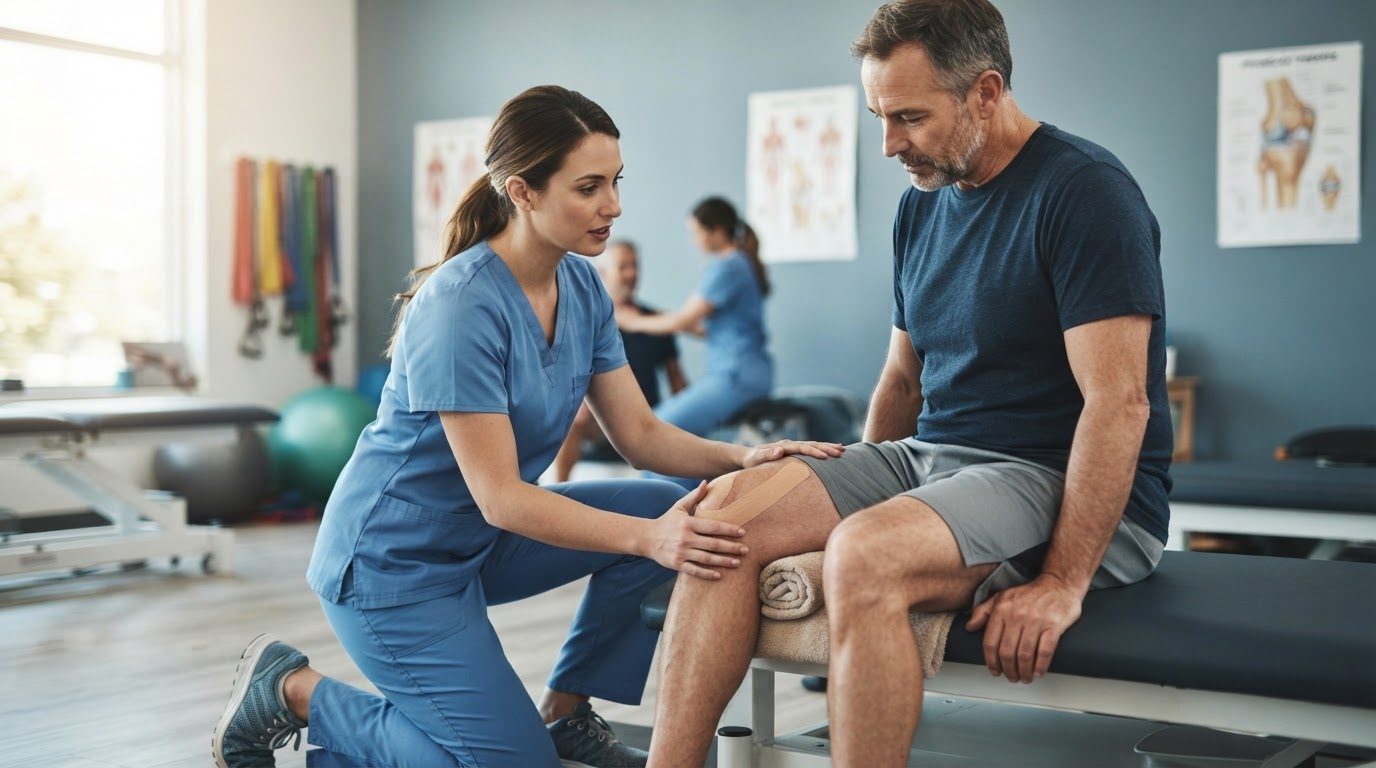
Knee pain is a pervasive issue, affecting individuals across all ages and activity levels. It can manifest as a dull ache after a long walk, a sharp twinge during exercise, or persistent stiffness that limits daily movements. While often dismissed as a minor inconvenience, untreated knee pain can significantly impact quality of life, hindering activities from simple tasks like climbing stairs to more demanding physical pursuits.
Many people seek immediate relief for their symptoms, often turning to rest or over-the-counter medications. However, true resolution of knee discomfort often requires a deeper understanding of its origins. For those in the Lombard, IL area seeking comprehensive Knee pain treatment, a thorough evaluation can uncover underlying issues contributing to the pain.
The goal of effective knee pain management extends beyond simply alleviating discomfort. It aims to restore function, improve mobility, and prevent future flare-ups, allowing individuals to return to their desired activities without apprehension. This approach involves a detailed assessment of how the entire body moves and functions, recognizing that knee pain is often a symptom of imbalances elsewhere. At True Health Chiropractic and Acupuncture, the focus is on understanding each patient’s unique story and identifying the specific factors contributing to their knee pain.
Unpacking the Complexities of Knee Discomfort
The knee joint is a marvel of biomechanical engineering, designed to withstand significant forces while providing flexibility and stability. Its complexity, however, also makes it susceptible to a wide array of issues. Understanding the common culprits behind knee pain is the first step toward effective treatment.
Mechanical Stress and Misalignment
Often, knee pain arises not from a direct injury to the knee itself, but from mechanical stresses caused by imbalances in surrounding structures.
- Poor Hip Strength: Weak hip muscles can alter the alignment of the leg, placing undue stress on the knee joint during movement.
- Restricted Ankles: Limited ankle mobility can force the knee to compensate, leading to abnormal loading and eventual pain.
- Altered Gait: Changes in walking or running patterns, whether due to habit, injury, or muscle weakness, can unevenly distribute weight and pressure across the knee.
- Old Injuries: Past injuries, even seemingly minor ones, can lead to compensatory movements that, over time, strain the knee.
These factors can contribute to conditions like runner’s knee (patellofemoral pain syndrome), IT band problems, and general joint irritation. The pain becomes a critical warning sign that something in the body’s movement mechanics needs attention.
Common Conditions Affecting the Knee
Beyond mechanical issues, several specific conditions frequently cause knee pain:
- Meniscus Irritation: The menisci are cartilage pads that cushion the knee joint. Tears or irritation can cause pain, swelling, and clicking.
- Ligament Sprains: The knee has several strong ligaments that provide stability. Sprains (stretches or tears) can result from sudden twists or impacts.
- Arthritis: Degenerative conditions like osteoarthritis involve the breakdown of cartilage, leading to pain, stiffness, and reduced mobility.
- Tendonitis: Inflammation of the tendons around the knee, often due to overuse, can cause localized pain and tenderness.
- Post-Surgical Stiffness: Even after surgery, residual stiffness can limit movement and cause discomfort, requiring targeted rehabilitation.
These conditions can manifest as clicking, shifting, swelling after activity, or a general feeling of weakness and instability in the knee.
A Holistic Approach to Knee Pain Relief
Effective knee pain treatment moves beyond merely addressing symptoms. It involves a comprehensive strategy that identifies and corrects the underlying causes, promoting long-term relief and functional improvement. This often begins with a thorough assessment.
The Diagnostic Process
A detailed understanding of a patient’s history is crucial. This includes:
- Understanding the Story: Discussing when the pain started, what activities aggravate it, and what limitations it imposes on daily life.
- Movement Assessment: Evaluating strength, stability, and joint motion across the entire kinetic chain, from the feet to the hips and spine. This helps pinpoint areas of weakness, imbalance, or restricted movement that contribute to knee stress.
- Clear Answers: Providing patients with a clear explanation of what is causing their knee pain and what specific changes are needed to address it.
- Personalized Treatment Plan: Developing a step-by-step game plan tailored to the individual’s specific needs and goals, focusing on natural methods to restore balance and reduce irritation.
Non-Surgical Treatment Modalities
Many forms of knee pain can be effectively managed and resolved without surgical intervention. The focus is on conservative, non-invasive methods that empower the body’s natural healing processes. While specific techniques vary based on individual needs, common approaches include:
- Physical Therapy and Rehabilitative Exercises: These are foundational for strengthening muscles around the knee and hip, improving flexibility, and correcting movement patterns. This might involve targeted exercises to build hip strength, improve ankle mobility, or retrain gait.
- Manual Therapies: Techniques such as chiropractic adjustments or soft tissue work can address joint restrictions and muscle imbalances that contribute to knee pain.
- Acupuncture: This traditional Chinese medicine technique involves inserting thin needles into specific points on the body to promote pain relief and healing.
- Lifestyle Modifications: Adjustments to daily activities, exercise routines, and even footwear can significantly reduce stress on the knee. Losing weight, for example, can alleviate considerable pressure on the joint.
- Bracing: In some cases, a knee brace can provide external stability, help align the joint, and reduce friction, particularly during recovery or specific activities.
- Nutritional Support: While not a primary treatment, some dietary supplements like glucosamine and chondroitin are sometimes discussed for their potential role in supporting joint health.
The goal of these treatments is to not only alleviate current pain but also to equip individuals with the tools and understanding to prevent recurrence. This empowers them to maintain an active lifestyle without constant worry about knee flare-ups.
When to Seek Professional Help
While some mild knee pain can resolve with rest and home care, it’s important to recognize when professional intervention is necessary. If knee pain is limiting daily activities, persists for more than a few days, or is accompanied by swelling, instability, or difficulty bearing weight, a comprehensive evaluation is advisable.
Ignoring persistent knee pain can lead to chronic issues and further complications. Early intervention, especially when focusing on the root causes rather than just symptoms, can significantly improve outcomes and help individuals regain confidence in their body’s ability to move freely and without pain. Taking control of knee pain means understanding its origins and committing to a plan that restores strength, stability, and trust in the body.
